The Pacific Northwest doesn't get a spring, it gets a thaw
The calendar says spring starts in late March. The ground in USDA zone 8b says spring starts when the hellebores flower, which is usually late February. If you wait for warm weather to start your cleanup, you will be late.
This is the rhythm we use in our test plot behind the shop, and more or less what every experienced gardener we know runs on the west side of the Cascades. Adjust by a week earlier or later for your microclimate.
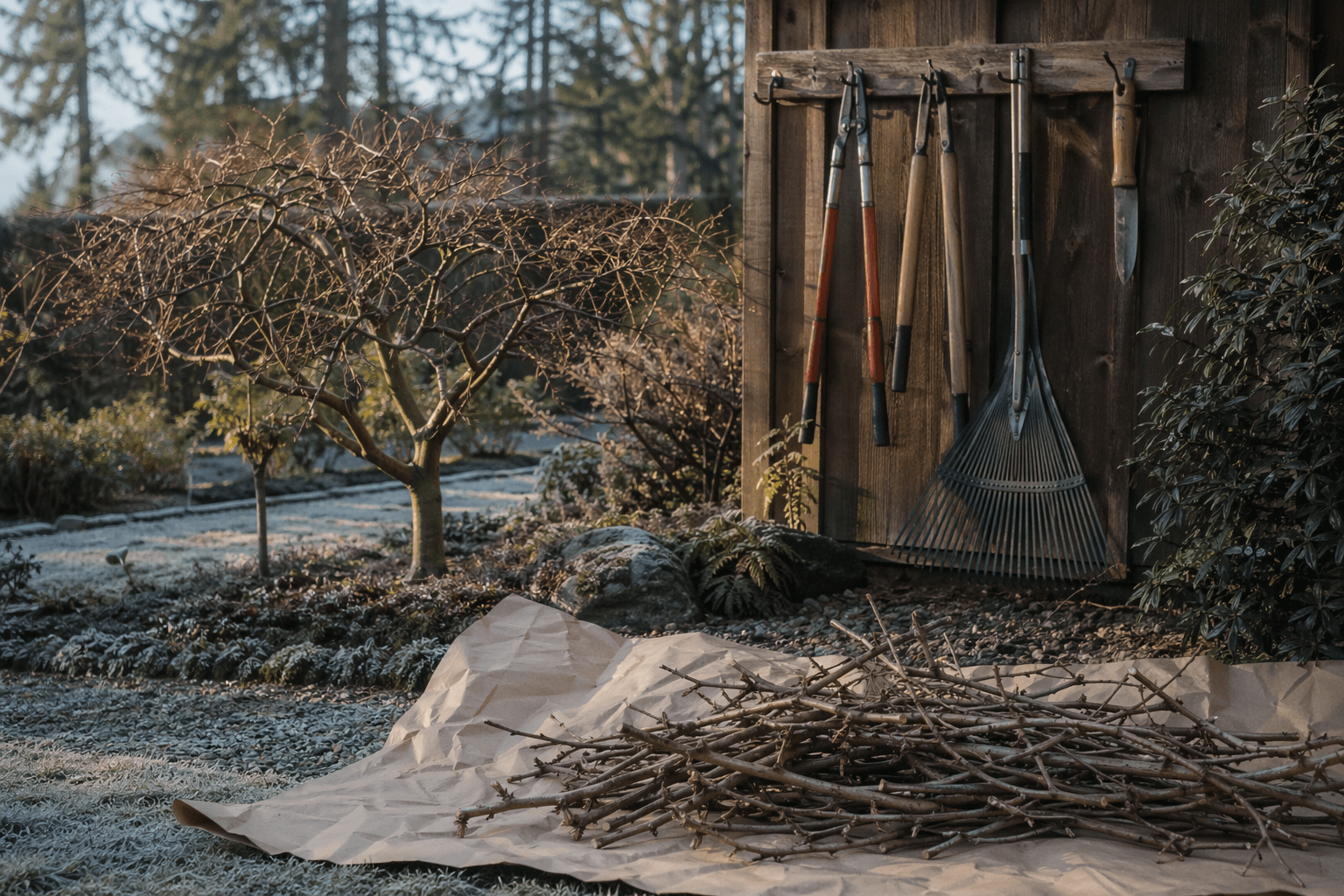
Week 1 — late February: prune dormant woody plants
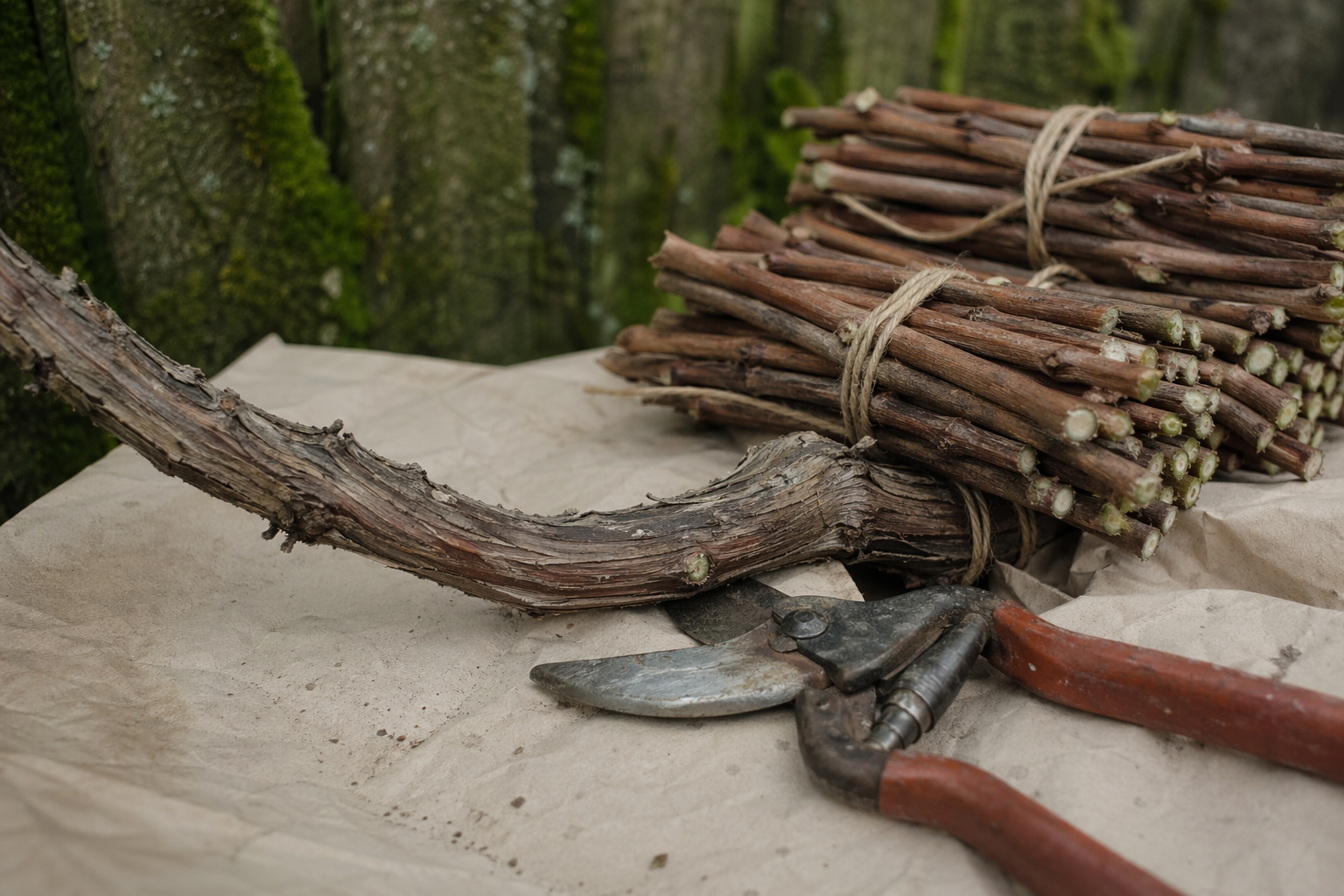
Bypass pruners and a pair of 30-inch loppers. Wisteria, grapevines, hydrangea paniculata, fruiting raspberries, summer-flowering clematis. Cut before sap rises; the wounds heal cleaner. Skip spring-flowering shrubs — rhododendron, lilac, mountain laurel — those you prune after they bloom.
Sharpen both pruners before you start. Dull pruners crush stems and leave entry points for fungal disease.
https://img.manualstool.com/aporozona/tutorials/pacific-northwest-spring-cleanup/SCENE_01.png
Week 2 — early March: first bed cleanup
Pull last year's dead annuals from the vegetable beds. Scrape the mulch back to check for slug eggs (small, clear, gelatinous clusters under the straw). Amend with two inches of compost but do not till — tilling breaks up the winter's worm-and-fungus work.
A hori-hori knife and a fan rake do 90% of this work. A wheelbarrow moves it to the compost pile. That's it.
Week 3 — mid-March: first mow
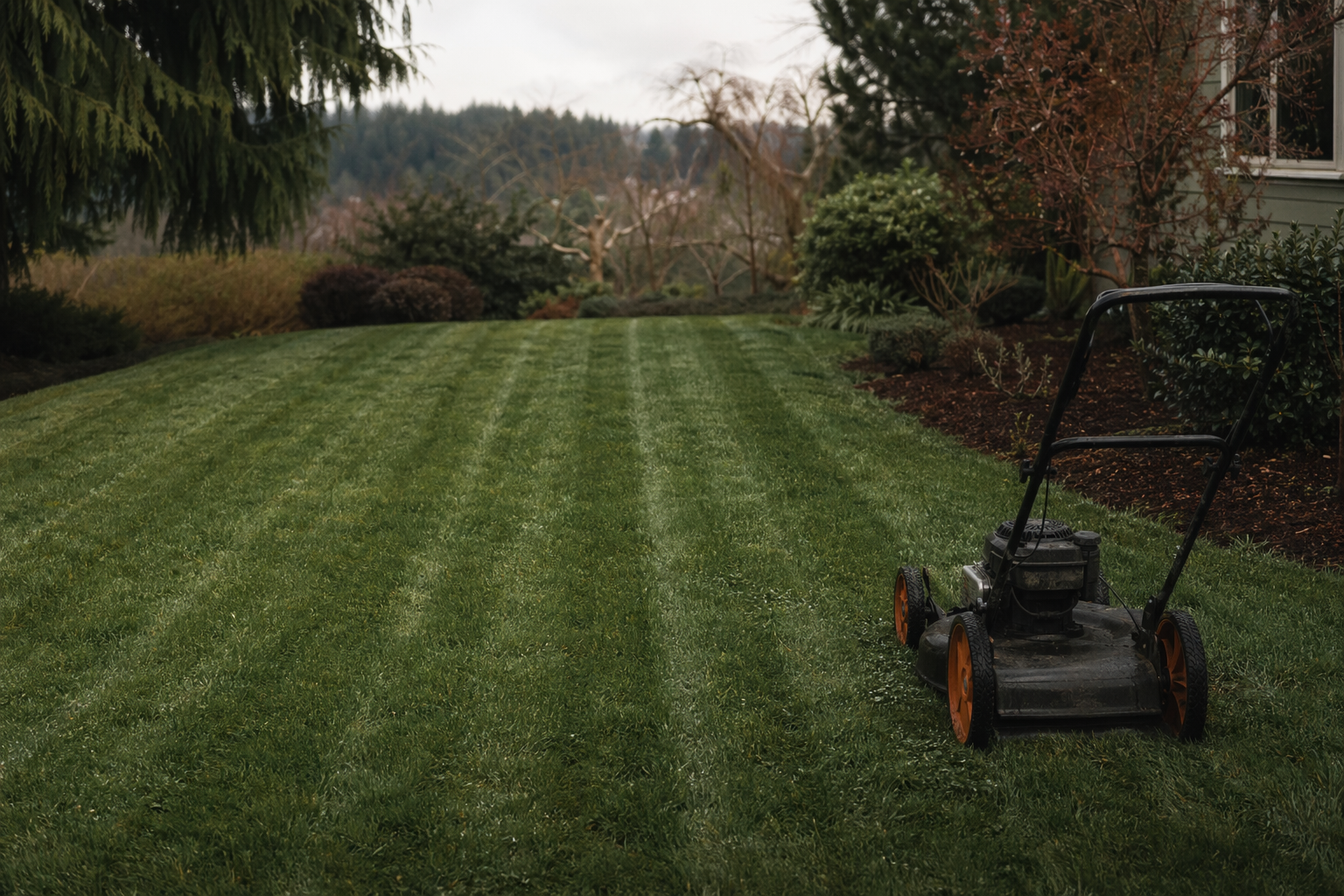
The first mow is tall. Set your blade at 3.5 to 4 inches and just top the existing growth. A low first cut shocks the grass, invites moss, and exposes soil to the early-season slugs.
This is also the week to sharpen the mower blade if you didn't last fall, to check tire pressure on walk-behinds, and to run a tank of fresh fuel through gas machines (old fuel is the single biggest reason small engines refuse to start in March).
https://img.manualstool.com/aporozona/tutorials/pacific-northwest-spring-cleanup/SCENE_02.png
Week 4 — late March: irrigation and paths
Reinstall any drip irrigation you disconnected last fall. Pressure-test at full flow and walk every line — one winter's worth of settling moves fittings, and a pinhole leak at 25 PSI drains more water than you'd think.
This is also the week to re-edge beds and paths with a half-moon edger. The soil is still soft enough to cut cleanly, not yet dry and crumbly.
Week 5 and beyond — ongoing
From here out it's weekly tasks: mow (weekly), weed (weekly, ten minutes a bed), check drip pressure (biweekly), and watch the hellebore flowers open for the real start of the growing season.
A short tool kit is enough for the first month: one sharp pruner, one lopper, a hori-hori, a fan rake, a wheelbarrow, a mower, a drip-line pressure gauge. Anything else can live in the shed until you need it.
— APOROZONA test plot, Salem, Oregon